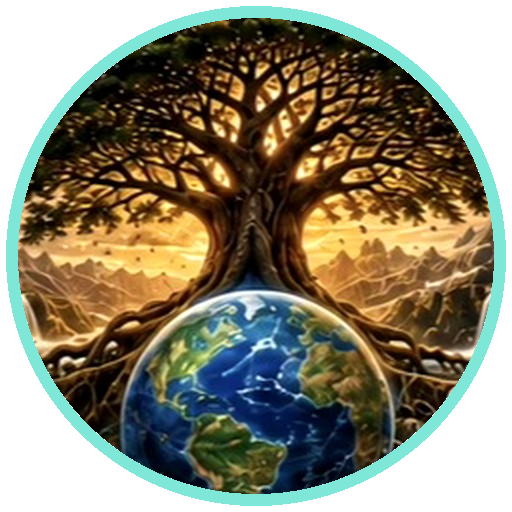
The Symbol Investigation Method

Symbols

Symbols connect visible forms to larger cultural meanings.

Introduction

Symbols connect visible forms to larger cultural meanings.

A symbol is something that carries meaning beyond its immediate form. Colors, gestures, images, sounds, objects, characters, places, and repeated patterns can all function symbolically.

Symbols draw power from shared histories and cultural conventions. A flag, tree, mask, road, doorway, crown, color, or melody may activate ideas that are not explicitly stated. Their meanings can also change across cultures and historical periods.

Symbol analysis identifies recurring forms, traces their associations, and considers how they guide interpretation. It also asks who controls the symbol and whether its meaning is stable, contested, or being transformed.

Ideas and Future Investigations

What might be explored here

These topics provide starting points for articles, student investigations, classroom activities, and public analysis.

Coming Soon

Color and Meaning

How colors communicate emotion, identity, danger, purity, status, or belonging.

Coming Soon

Archetypes and Characters

Heroes, villains, outsiders, guides, tricksters, and recurring narrative figures.

Coming Soon

National and Political Symbols

Flags, monuments, seals, uniforms, slogans, and public rituals.

Coming Soon

Religious Symbols

Sacred objects, spaces, gestures, images, and stories.

Coming Soon

Brand and Popular Culture Symbols

Logos, celebrities, icons, genres, and widely shared media references.

Coming Soon

Changing Symbolic Meaning

How communities contest, reclaim, remix, or reject inherited symbols.

Questions to Consider

Apply the Symbols lens

  1. 1

    Which meanings are carried by the artifact?

  2. 2

    What colors, objects, gestures, or images recur?

  3. 3

    Where did these symbols acquire their associations?

  4. 4

    Do different communities interpret them differently?

  5. 5

    Which symbols are emphasized or hidden?

  6. 6

    Who benefits from the dominant interpretation?

  7. 7

    How could the symbol be reclaimed or transformed?